
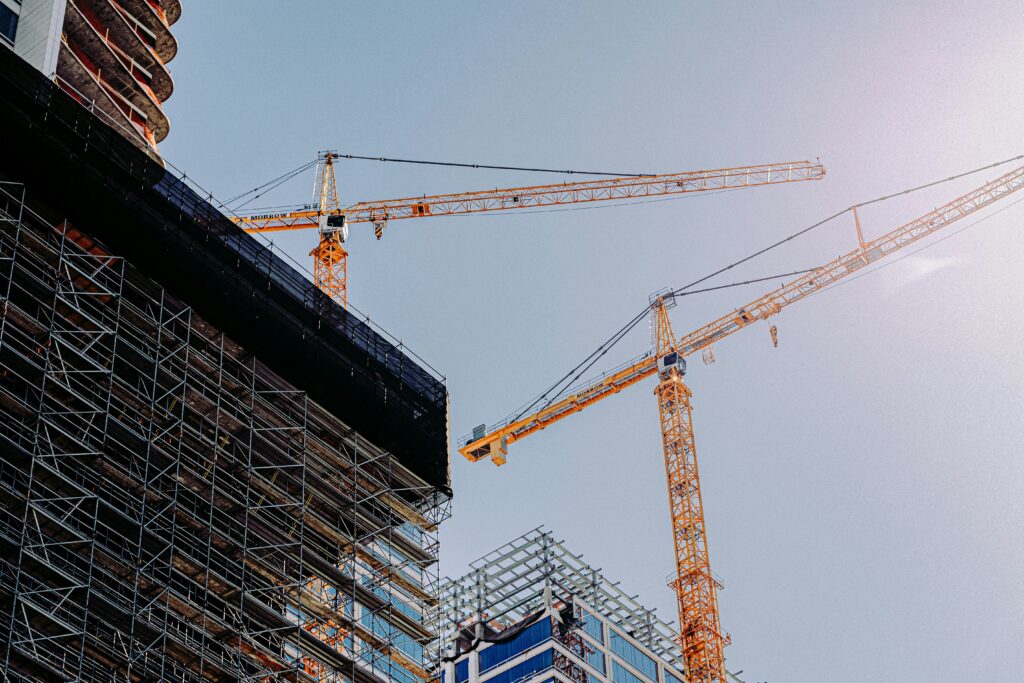
Most developers I talk to are running two financing conversations at once — one with a construction lender and a separate one for whoever holds the permanent debt. A construction-to-permanent loan collapses both into a single closing. One application, one set of closing costs, one lender relationship from dirt to stabilization.
That’s cleaner. But the single-close structure isn’t right for every project or every developer. Here’s how these loans actually work, what lenders underwrite on, and when you’re better off with a two-close approach.
What Is a Construction-to-Permanent Loan?
A construction-to-permanent loan (also called a C2P loan or single-close construction loan) bundles two financing phases into one product. During construction, the loan functions as a traditional draw facility: funds are disbursed in stages as milestones are hit, and you pay interest only on what’s been drawn. Once the Certificate of Occupancy is issued and the project hits the lender’s conversion trigger, the loan automatically rolls into a permanent mortgage — fixed or adjustable rate, depending on the program you selected at close.
The mechanic that matters most: you lock the permanent terms before a shovel hits the dirt. If rates move during construction, your permanent rate stays where you locked it.
- What you’ll learn from this guide:
- How the single-close structure works — construction phase, draw mechanics, and conversion
- When C2P beats a two-close structure (and when it doesn’t)
- What lenders actually underwrite on: LTC, as-completed LTV, DSCR, and developer experience
- How the conversion to permanent debt triggers in practice
- DSCR-based C2P programs for 1-4 unit investment properties
Who Uses Construction-to-Permanent Loans?
This structure works well for developers and investors who know upfront they’re holding the asset. That typically includes:
- Build-to-rent investors building single-family or small multifamily with the intent to hold as long-term rentals
- Townhome and small condo developers carrying the asset through lease-up or a phased sellout
- Owner-occupied commercial developers building a facility their business will occupy — the C2P structure lets them lock SBA or conventional permanent terms before breaking ground
For-sale developers selling units on completion typically don’t use C2P loans. If you’re paying off the loan with unit sale proceeds, you don’t need permanent debt — you need a construction facility that exits cleanly at payoff.
Single-Close vs. Two-Close: The Decision Framework
The alternative to a C2P loan is two-close construction financing: a standalone construction loan, then a separate permanent loan at completion. Each has real advantages, and choosing between them matters as much as picking the lender.
Single-close (C2P) advantages:
- One closing, one set of fees — saves $15,000–$30,000+ on a mid-size deal
- Permanent rate locked before construction, eliminating conversion-market risk
- No re-qualification at completion — the permanent commitment is already in place even if your financial picture shifts
- Simpler administrative burden during the build
Two-close advantages:
- Freedom to shop permanent financing at completion, when you know the exact as-built value and stabilized NOI
- Ability to target agency debt (Fannie Mae, Freddie Mac) or CMBS execution on the back end — permanent options not always available through C2P programs
- If rates drop during construction, you refinance into better terms at conversion instead of being locked into what you agreed to at ground break
I usually steer developers toward C2P when the project is straightforward and the rate environment creates real conversion risk — if you’re 18 months from completion with rates moving, locking in now has meaningful value. On larger or more complex deals, I tend to prefer two-close because it keeps the permanent execution open. A life company or agency takeout on a stabilized 20-unit project will almost always beat what’s available through a C2P program at ground break.
For developers not using a permanent hold strategy, our guide to ground-up construction loans for developers covers the standalone construction structure in detail — pro formas, draw mechanics, and how lenders size the deal.
Evaluating a construction-to-permanent program for your project? We work with developers nationally on single-close and two-close construction programs across residential investment and ground-up commercial. Schedule a call →
How the Draw Schedule Works
During the construction phase, the lender doesn’t release the full loan amount at closing. Funds are disbursed in a draw schedule — typically 4 to 6 draws tied to construction milestones like foundation completion, framing, rough-in mechanical/electrical/plumbing, drywall, finish work, and CO issuance.
Before each draw, the lender sends an inspector to verify the completed work matches the draw request. If it checks out, funds are released — usually within 5 to 10 business days. Interest accrues only on the drawn balance, so your carrying cost starts low and grows as the project progresses.
A few things that catch developers off guard on draw schedules:
- Retainage: Many lenders hold back 5-10% of each draw until project completion. Model this into your construction cash flow — running short at the wrong moment can stall a draw request right when you need it most.
- Soft cost timing: Some lenders fund permits, architect fees, and engineering in early draws; others won’t touch soft costs until hard construction is underway. Know which applies before you sign.
- Cost overruns are your responsibility: If the project runs over budget, the lender isn’t covering the gap. A 5-10% contingency line built into the project budget isn’t optional — it’s what keeps a $50,000 framing overrun from stalling the whole project.
What Lenders Actually Underwrite On
C2P loan underwriting evaluates the project and the borrower simultaneously. Here’s what most lenders I work with focus on:
Loan-to-cost (LTC): Typically 75-85% of total project costs, including land, hard costs, soft costs, and interest reserve. Some programs reach 90% LTC for experienced developers with strong credit.
As-completed LTV: The permanent phase is underwritten to 70-80% of the as-completed appraised value. On income-producing projects, this is often the binding constraint — not the LTC.
Stabilized DSCR: For rental and income-producing properties, the permanent loan amount is sized to what the stabilized asset can support at a minimum debt service coverage ratio — typically 1.20-1.25x. If the stabilized NOI doesn’t support the target loan at that coverage, the loan gets sized down accordingly.
Developer experience: This factors in more on construction loans than almost any other loan type. A lender committing 18 months of development capital wants to know you’ve completed projects before. First-time developers can qualify — we see it — but they typically need a more experienced general contractor, lower LTC, and a stronger personal financial position to offset the experience gap.
Personal guarantee: Nearly universal on non-agency construction programs. If you’re expecting non-recourse execution on a ground-up deal, that’s the exception, not the rule — and typically requires a stabilized asset and agency-eligible permanent debt on the back end.
From a recent deal: I recently placed a construction-to-permanent loan for a developer building eight townhome-style rental units in the Charlotte metro. Total project cost came in at $2.3M. We closed at 80% LTC on the construction phase with an 18-month build window, and the developer locked the permanent rate at closing. Rates moved up about 75 basis points during construction — that locked rate saved real money at conversion. The project appraised above pro forma at completion, the permanent note sized at 75% of as-completed value with a 1.25x DSCR coverage test, and the developer converted cleanly into a 30-year amortizing loan on a fully stabilized rental asset.
Loan Terms to Expect in 2026
Commercial and investment C2P programs vary by lender, project type, and borrower. Here’s the range I see most often:
- Construction period: 12-18 months. Fannie Mae’s single-close program allows up to 18 months total, with no individual construction period exceeding 12 months, per Selling Guide Section B5-3.1-02.
- During construction: Interest only on the drawn balance; many programs include a funded interest reserve built into the loan
- Permanent term: 5, 7, 10, or 30 years depending on program and property type
- Amortization: 20-30 years on commercial programs; 25-30 years on residential investment programs
- Rate (commercial/non-agency): 6.5-10%+ as of mid-2026, depending on credit, LTV, project type, and program
The broader lending environment matters here. Per the Mortgage Bankers Association’s 2026 forecast, total commercial and multifamily originations are projected to reach $805 billion — up 27% from 2025 — with Q1 2026 volume already running 52% ahead of Q1 2025. Developers who shelved projects during 2023-2024 are returning to the market, and construction lending activity reflects that shift.
How the Conversion to Permanent Debt Actually Works
When construction is complete and the CO is issued, the lender orders a final inspection and an appraisal update confirming the completed value. Once verified, the construction loan converts to the permanent mortgage. On most programs, this is automatic — no second closing, no new docs to sign. The loan balance rolls into the permanent structure and amortization begins on the schedule set at original close.
For rental properties, many lenders also require a stabilization period — typically 90% occupancy held for 60-90 days — before the permanent conversion triggers. If the project isn’t stabilized at CO, some programs include a lease-up window (often 6-12 additional months) before mandatory conversion. Others require conversion at CO regardless of occupancy.
That distinction is worth negotiating upfront. If you convert a partially-leased building into permanent debt before it’s stabilized, your early debt service comes out of reserves — not rent. When I’m placing these deals for build-to-rent developers, I specifically look for programs that include a built-in lease-up buffer. It’s much easier to negotiate that term at origination than to fight for it at conversion.
DSCR Construction-to-Permanent Loans for 1-4 Unit Properties
A product gaining real traction is the DSCR construction-to-permanent loan — designed for investors building single-family rentals, duplexes, or small multifamily with the intent to hold. The permanent phase qualifies on the property’s rental income rather than personal income, with no W-2s or tax returns required at any point.
We’ve placed these structures for investors doing ground-up SFR and duplex builds in Sunbelt markets. For investors pursuing ground-up construction in Texas and Florida with a long-term hold strategy, the DSCR C2P provides a clean path from construction financing to permanent debt without ever needing to document personal income.
For townhome construction projects specifically, the program details differ — particularly for for-sale vs. hold strategies. That post covers the product landscape in detail.
Frequently Asked Questions
Can I use a construction-to-permanent loan for an investment property?
Yes. Non-QM and DSCR-based C2P programs are specifically designed for investment properties. The permanent phase qualifies on the property’s rental income rather than personal income. Agency programs have their own investment property C2P guidelines as well.
What credit score do I need for a construction-to-permanent loan?
Most non-agency commercial C2P programs want a minimum 680 FICO. Conventional and agency programs may require 700+. Stronger credit typically unlocks better LTC ratios, lower rates, and more flexibility on the developer experience requirement.
What happens if my project goes over budget?
The lender doesn’t cover overruns — that’s on you. This is why a 5-10% contingency line is standard in project underwriting. Lenders want to see it in your budget, and you need the liquidity to fund it if the project needs it.
Is a construction-to-permanent loan better than a bridge loan for ground-up construction?
They serve different goals. Bridge loans are short-term by design and exit at refinance or sale — the right tool when you want maximum flexibility on the permanent execution or plan to sell the completed asset. A C2P loan is for developers who know they’re holding and want permanent financing locked in before they break ground.
How long does the construction period last on a C2P loan?
Most programs allow 12-18 months. Extensions are possible but require lender approval and sometimes additional fees. Plan your project timeline conservatively — most deals that blow the construction window do so because of permitting delays, not construction pace.
Ready to structure your construction project?
We work with developers and investors nationally on construction-to-permanent programs across residential investment, ground-up commercial, and Sunbelt development. Send us your project details — we’ll respond within one business day with realistic program options and terms.
This article is for informational purposes only and does not constitute financial, legal, or tax advice. Loan terms, rates, and availability vary by borrower, property, and market conditions. Consult Willowbrook Capital for scenario-specific guidance.
