
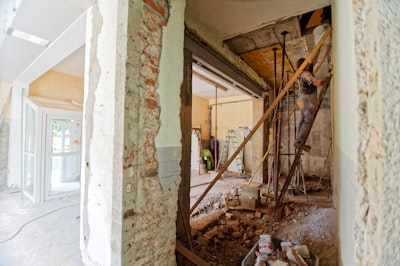
A lot of the investors I talk to are sitting in high-cost markets — Connecticut, New York, California — watching local flip margins compress while Sunbelt metros keep throwing off returns that don’t exist at home. The question I get over and over: can you actually get a fix and flip loan for an out-of-state property, and how do you manage a renovation from 800 miles away?
Short answer: yes, you can. Most fix-and-flip lenders operate nationally now. But the financing works a little differently when you’re not local — the documentation bar is higher, the lender leans harder on the property’s numbers, and you need a local team assembled before you submit your application.
Here’s exactly how it works.
Can You Get a Fix-and-Flip Loan for a Property in Another State?
Yes. Fix-and-flip lending shifted to a national model years ago. Most hard money and bridge lenders operate in 30 or more states, and lenders that specifically serve remote investors are common.
The loan structure actually accommodates out-of-state investing pretty well: fix-and-flip loans are collateral-first. The lender’s primary underwriting question is whether the property’s after-repair value (ARV) supports the loan amount — not whether you live down the street. That said, being remote changes what you need to put together before you apply, and a handful of lenders do impose tighter terms on out-of-state deals.
For a deeper look at baseline fix-and-flip qualification criteria, see our guide to fix and flip loan requirements.
How Lenders Underwrite Out-of-State Fix-and-Flip Deals
Fix-and-flip lenders structure every deal around two metrics: loan-to-cost (LTC) and loan-to-value against ARV.
LTC tells you what percentage of your total project cost — purchase price plus renovation budget — the lender will finance. Most lenders I work with cap LTC at 80–90% for experienced investors with a clean track record. First-time or low-experience borrowers typically land in the 70–80% range.
The ARV cap governs the ceiling regardless. Even if your LTC looks fine, the lender won’t let the loan exceed 65–75% of the property’s estimated after-repair value. This protects them if the renovation runs over, the market softens, or a contractor blows the timeline.
For out-of-state deals, some lenders apply a modest additional constraint — 5 points lower on LTC, or a slightly tighter ARV cap — to price in the extra execution risk of remote management. Others don’t adjust at all if your experience record is solid. It varies by lender and by market.
What You’ll Need to Document for a Remote Flip
Documentation is where out-of-state deals diverge most from local ones. When you’re not on the ground, your file has to tell the story your physical presence would normally tell.
Expect to provide:
On the property:
- Signed purchase contract
- Third-party appraisal or BPO with ARV comparable support (lender orders this; you pay for it)
- Inspection report if available
On the renovation:
- Detailed scope of work (SOW) with line-item costs — not a round number
- Contractor bid from a licensed, insured general contractor
- GC’s license and insurance documentation
- Renovation timeline
On you:
- Credit report (650+ is a common floor; 680+ gets you materially better terms)
- Prior flip history, if any — completed deals with addresses and sales prices carry real weight
- Proof of liquidity for down payment and reserves
- LLC docs if borrowing through an entity (required by most lenders for investment property)
The scope of work and contractor documentation are the pieces that trip remote investors up most often. A ballpark renovation budget and a verbal GC arrangement won’t close a loan in any state. Names, numbers, and license numbers on paper before you apply.
Loan Terms to Expect
Here’s the range I see for fix-and-flip financing in mid-2026 for qualified investors:
| Term | Typical Range |
|---|---|
| Rate | 9.5% – 12.5% |
| Origination points | 1.5 – 3.0 |
| Loan term | 9 – 18 months |
| LTC | 75% – 90% |
| ARV cap (LTV) | 65% – 75% |
| Extension option | 3–6 months, 1–2 point fee |
Rate is driven primarily by credit score, flip experience, and LTC. Strong borrowers — 700+ credit, three or more completed flips, conservative leverage — routinely land at the low end of that range. A first-time remote investor with limited experience should budget toward 11–12%.
Renovation draws work on a milestone inspection model. You complete a phase of work, the lender dispatches a third-party inspector, and the draw releases. For remote deals, this is actually useful: that inspector is your eyes on the ground verifying that the contractor is keeping pace before money moves.
Fix-and-flip loans function as short-term bridge instruments — typically interest-only payments during the hold period. If you’re interested in how bridge loans work more broadly, that post covers the mechanics in more detail.
From a recent deal: I recently placed a fix-and-flip loan for a Connecticut-based investor doing his first remote deal — a single-family in the Charlotte market. He had a clean scope of work, a licensed GC with prior rehab experience, and solid ARV comps. We structured it at 85% LTC, 70% of ARV, 12-month term. The draw inspection schedule let him manage the GC effectively from home.
Looking at a remote fix-and-flip deal? We structure these nationally and have lender relationships in most active markets. Schedule a 15-minute call →
Building Your Local Team Before You Apply
Your lender reviews the loan. Your local team executes it. Both need to be in place — or at minimum identified — before you submit a loan application.
Four people you need in the target market:
Local real estate agent. Ideally investor-focused, someone who can pull accurate ARV comps, estimate days on market, and source deals off-market. An agent who primarily handles primary-residence buyers won’t give you the exit-price precision you need.
Licensed general contractor. Not a handyman. A licensed, insured GC who has done investor rehabs and can produce a line-item scope of work. This is non-negotiable from a lender standpoint and a risk management standpoint.
Title company experienced with investor transactions. Not every title company handles investment closings smoothly. Ask your lender or agent for a referral.
Property manager (optional). If the sale doesn’t happen on your timeline, having a PM ready to lease the property lets you convert to a rental exit without scrambling. This is especially relevant in markets with strong rental demand where a DSCR loan on a stabilized rental might be your fallback.
Build this team before you’re under contract. Scrambling for a GC after you have a signed purchase agreement is one of the most common ways remote deals fall apart.
Which Markets Are Attracting Remote Fix-and-Flip Investors
Per ATTOM’s 2025 year-end home flipping report, gross fix-and-flip ROI nationally came in at 25.5% for the full year — the lowest level since 2008, driven largely by margin compression in high-cost coastal markets. Secondary markets and Sunbelt metros are outperforming that national average significantly.
Markets where we see the most remote investor activity:
Charlotte, NC — Lower price-per-door than coastal markets, solid buyer demand, deep pool of local GCs familiar with investor timelines.
Tampa / St. Petersburg, FL — High fix-and-flip transaction volume, shorter average hold times, strong resale demand.
Atlanta, GA — Deep inventory of older housing stock that pencils for gut rehabs, good entry-level pricing in suburban submarkets.
Memphis, TN and Huntsville, AL — Among the lowest acquisition costs nationally, strong fallback rental demand if the flip exit softens.
Northeast investors also commonly target properties 90–120 minutes from home — markets like central Connecticut, Rhode Island, or upstate New York where they’re technically “remote” but close enough to drive if needed. Same underwriting logic applies.
Frequently Asked Questions
Can a first-time investor get a fix-and-flip loan for a property in another state?
Yes, but expect tighter terms. First-time investors typically face lower LTC limits (70–80% vs. 85–90% for experienced flippers) and higher rates. A strong GC with a verifiable track record, clean comps, and meaningful reserves will help. Consider starting in a market where a reliable local team is already in place.
Do I need to physically visit the property before closing?
Most lenders don’t require it — they rely on the appraisal and draw inspector. I’d still recommend at least one trip to walk the property and meet your contractor in person before you’re committed. Problems that show up in photos often look different in person, and the relationship with your GC is critical to execution.
What happens if the renovation runs over budget?
Most fix-and-flip loans don’t cover cost overruns automatically. You’ll need liquid reserves to cover gaps, or you can request a scope modification with the lender before funds run out. Build 10–15% contingency into your rehab budget from the beginning — remote deals run into surprises more often than local ones simply because you’re not on-site daily.
How quickly can a remote fix-and-flip loan close?
With a complete file — appraisal ordered, SOW finished, contractor docs submitted — we can typically close in 10–21 days. Most delays come from the borrower side (missing documentation) or the appraisal timeline, not the lender. Having your team and paperwork ready before you go under contract cuts that timeline down considerably.
Ready to Finance Your Remote Fix-and-Flip Deal?
We work with real estate investors structuring fix-and-flip loans nationally — including remote deals in Sunbelt markets, secondary metros, and anywhere the numbers pencil out. Send us your scenario and we’ll respond with realistic terms within one business day.
This article is for informational purposes only and does not constitute financial, legal, or tax advice. Loan terms, rates, and availability vary by borrower, property, and market conditions. Consult Willowbrook Capital for scenario-specific guidance.
